
Tile Swapping Mechanics
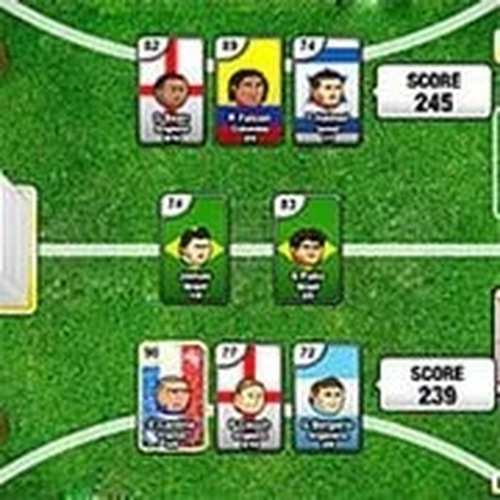
At its heart, Athletic Team Tiles Swap is about exchanging positions of adjacent tiles on a grid. Each tile displays a sports character, and your goal is to align them into groups or sequences that form a complete squad. The swap action is straightforward—tap or drag a tile to move it—but the challenge lies in anticipating how each exchange affects the overall layout. Early levels introduce basic patterns, while later puzzles require you to think several moves ahead. This core loop of simple action and deep planning keeps the experience engaging without overwhelming new players.
Team Building Through Puzzles
Unlike traditional puzzle games that only reward pattern matching, this title ties each solved arrangement to squad progression. Completing a set of matching tiles adds a new member to your team roster, giving a sense of accomplishment beyond just clearing the board. The game presents a variety of sports-themed characters, from runners to swimmers, each with distinct tile designs. As you build your team, you unlock new puzzle layouts that feature different character combinations, ensuring that the challenge evolves alongside your growing collection.
Visual Style and Accessibility
The graphics are bright and clean, with each sports character rendered in a friendly, cartoon-like style. Colors are used to differentiate tile types, making it easy to spot potential matches at a glance. The interface is minimal—no cluttered menus or confusing icons—so you can focus entirely on the puzzle. A short, interactive tutorial runs at the start, explaining the swap mechanic and the concept of forming sets. After that, you are free to play at your own pace, with no timers or pressure. This design makes the game suitable for both young children and adults looking for a relaxing mental workout.
Progression and Replay Value
Each completed puzzle contributes to a progression system that tracks your team size and the complexity of puzzles you have solved. While the game does not specify exact level counts, the structure suggests a steady increase in difficulty, with new tile patterns and larger grids appearing as you advance. For players who enjoy mastering a system, there is room to optimize moves—solving a puzzle in fewer swaps yields a better result. This encourages revisiting earlier puzzles to improve your strategy, adding replay value without relying on random elements or timers.
Strategic Thinking for All Ages
The puzzles are designed to be accessible but not trivial. Young players can learn basic pattern recognition and planning by swapping tiles one at a time, while older players can experiment with more efficient sequences. The game does not punish mistakes—you can always undo a swap or restart a puzzle without penalty. This forgiving approach makes it a good choice for family play, where different skill levels can enjoy the same puzzles at their own speed. The only requirement is patience and a willingness to think about cause and effect.









Comments
0 comments