
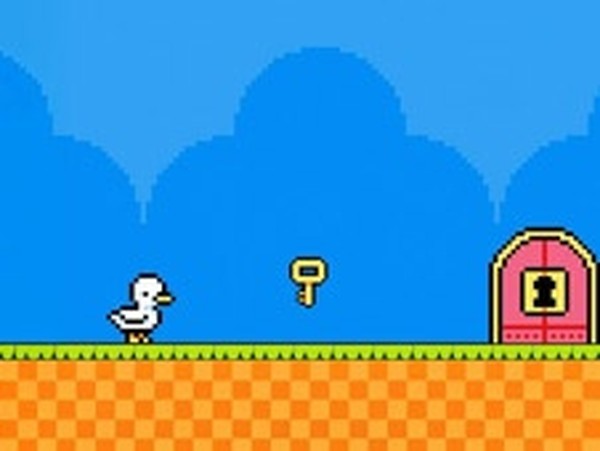
Core Objective and Level Flow
Feathered Path centers on a simple but engaging loop: enter a stage, locate the key, and make your way to the exit door. The key is never in plain sight, often tucked behind platforms or at the end of a tricky route. This design encourages players to explore every corner of the level rather than rushing straight ahead. As stages progress, the placement of keys becomes more inventive, requiring players to think several moves ahead. The satisfaction comes from planning a path that avoids hazards while efficiently collecting the key. Each completed stage feels like a small victory earned through patience and spatial reasoning.
Obstacle Design and Risk Management
Hazards in Feathered Path are primarily floor-based spikes that force precise timing and careful foot placement. Touching a spike resets the player to the start of the level, and the key must be collected again. This creates a natural risk-reward dynamic: players must decide whether to take a dangerous shortcut or follow a safer, longer route. Later levels introduce denser spike patterns and moving platforms, demanding greater concentration. The game teaches players to read the environment and anticipate danger before moving. Over time, players develop an instinct for safe landing zones and efficient paths.
Movement Mechanics and Skill Development
The double jump is the most important tool in the duck's movement set. Mastering its timing allows access to elevated platforms and helps clear wide gaps. The game gradually introduces situations where a single jump is insufficient, forcing players to chain jumps mid-air. This mechanic adds a layer of depth to what might otherwise be a simple platformer. Players learn to gauge distances and time their second jump for maximum height. The controls remain responsive throughout, so failures are always due to player error rather than unresponsive input. This clarity makes practice rewarding.
Visual Style and Atmosphere
Feathered Path uses retro-inspired pixel art that evokes classic platformers from the 8-bit and 16-bit eras. The color palette is bright and friendly, with each level featuring distinct background themes. The duck character is animated with simple, charming movements that add personality without distracting from gameplay. Sound effects are minimal but effective, providing audio cues for key collection and hazard contact. The overall presentation is clean and uncluttered, ensuring that players can focus on the puzzle elements. This aesthetic choice makes the game approachable for younger players while still appealing to adults who grew up with similar visuals.
Progression and Difficulty Curve
The difficulty in Feathered Path ramps up gradually, allowing new players to build confidence before facing more complex layouts. Early stages serve as tutorials for basic movement and key collection. Mid-game levels introduce spike clusters and platforms that require precise double jumps. Later stages combine multiple hazards with keys placed in hard-to-reach areas. The curve is fair: each new challenge builds on skills learned in previous levels. Players who take their time to understand each stage's layout will find the progression satisfying rather than frustrating. The game respects the player's time by avoiding cheap deaths or unfair surprises.









Comments
0 comments