
Core Jumping Mechanics
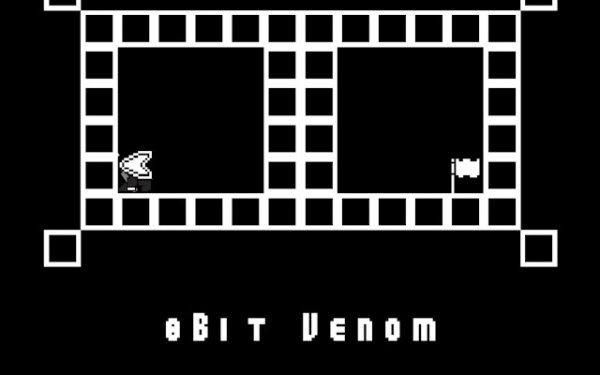
The central action revolves around leaping between vertical surfaces to gain altitude and traverse wide gaps. Players press and hold on the screen to reveal a directional guide, then drag to set both angle and force before releasing. This method gives full control over each jump, allowing for fine adjustments when lining up with narrow ledges or avoiding moving obstacles. The physics feel responsive, with a satisfying bounce off each wall that carries momentum forward. Mastering the timing of each release is essential, as even a small miscalculation can send the character off course.
Obstacle Design & Patterns
Each stage introduces rotating wheel barriers that spin at different speeds and directions. These obstacles are placed at key points along the path, forcing players to study their movement before making a move. Early levels feature simple, slow rotations that teach basic timing. Later stages combine multiple wheels with offset rhythms, requiring players to find brief windows of safety. The challenge grows naturally, never feeling unfair, as each pattern is consistent and can be learned through observation.
Visual Style & Atmosphere
The game adopts a classic 8-bit pixel aesthetic with bright, cheerful colors. Characters and backgrounds are drawn with simple shapes and limited palettes, evoking the look of early arcade machines. The environments shift between themes like grassy fields, mechanical factories, and starry skies, each with its own color scheme and background details. The retro presentation is paired with smooth animations and a chiptune soundtrack that keeps the energy upbeat without being distracting.
Progression & Level Structure
Players advance through a series of stages that gradually increase in complexity. The early levels serve as a gentle introduction, with wide platforms and few obstacles. As players progress, the stages become more compact, requiring tighter jumps and faster reactions. The game includes a clear checkpoint system that saves progress after each completed stage, allowing players to return later without losing their place. This structure makes it suitable for both short sessions and longer play periods.
Family-Friendly Design Philosophy
Every element is crafted to be accessible to players of all ages. There is no violent content, no complex menus, and no time pressure that might frustrate younger players. The controls are intuitive enough for children to grasp quickly, while the increasing difficulty provides enough depth for adults to enjoy. The game encourages a calm, methodical approach rather than speed, making it a relaxing choice for family gaming time.








Comments
0 comments