
The Core Puzzle Loop
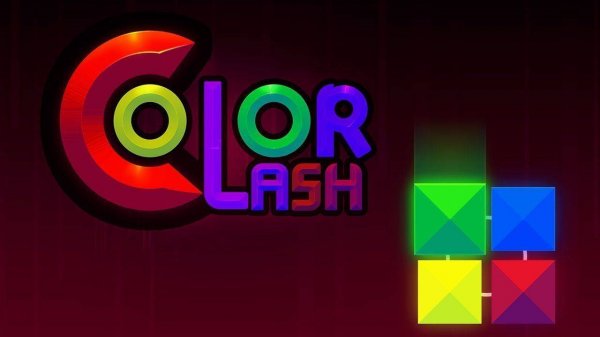
At its heart, this game asks players to slide colored tiles across a grid, aligning three or more of the same hue to remove them from play. Each successful match adds to your score and gradually clears the board, revealing new tiles to organize. The simple act of swiping tiles feels intuitive, but the real challenge lies in foreseeing how each move reshapes the entire layout. Players must weigh immediate matches against longer-term board control, making each decision count.
Level Design and Escalating Complexity
Early stages introduce basic color sets and open grids, allowing newcomers to grasp the flow without pressure. As players advance, the puzzles introduce obstacles that restrict movement or require specific sequences to clear. Some levels may feature locked tiles that only unlock after adjacent matches, while others present a limited number of moves to complete the objective. This gradual ramp in difficulty keeps the experience fresh without becoming overwhelming, rewarding those who adapt their strategies.
Visual Style and Audio Atmosphere
The game employs a clean, modern aesthetic with soft gradients and gentle animations that make each tile swap feel satisfying. Colors are distinct and easy to differentiate, reducing eye strain during longer sessions. Subtle sound effects accompany each match and board clear, providing positive feedback without becoming intrusive. The overall presentation aims for a calming environment, letting players focus on the puzzle rather than flashy distractions.
Tools for Tackling Tough Boards
When the grid becomes particularly tricky, players can call on optional aids. Hints highlight potential matches that might be overlooked, while boosters can shuffle tiles or remove a single troublesome piece. These tools are earned through gameplay rather than purchased, ensuring that progress relies on skill rather than spending. Using them wisely can turn a stalled board into a winning streak, but relying on them too heavily may hinder the development of core puzzle-solving instincts.
Pacing and Session Flexibility
One of the game's strengths is its lack of a timer. Players can pause mid-puzzle to study the board, plan several moves ahead, or simply take a break. This design choice makes the game suitable for both quick mental breaks and longer, immersive sessions. Whether you have five minutes or an hour, each session feels productive because every move contributes to mastering the board. The absence of time pressure also reduces anxiety, letting players enjoy the process of unraveling each puzzle at their own speed.







Comments
0 comments